
Growing Threats to Maharashtra’s Western Ghats
The western ghats of Maharashtra have witnessed a disturbing trend in the past nine months, with over 150 wild animals losing their lives and over 1,200 injured in road accidents and electrocution incidents. This alarming rate of wildlife casualties has brought to the forefront the pressing need to protect and conserve the fragile ecosystem of the western ghats. The incidents have not only raised concerns over the fragmentation of wildlife corridors but have also highlighted the risks posed by infrastructure expansion, rising traffic, and unsafe fencing near forest areas.
Infrastructure Expansion and Wildlife Corridors
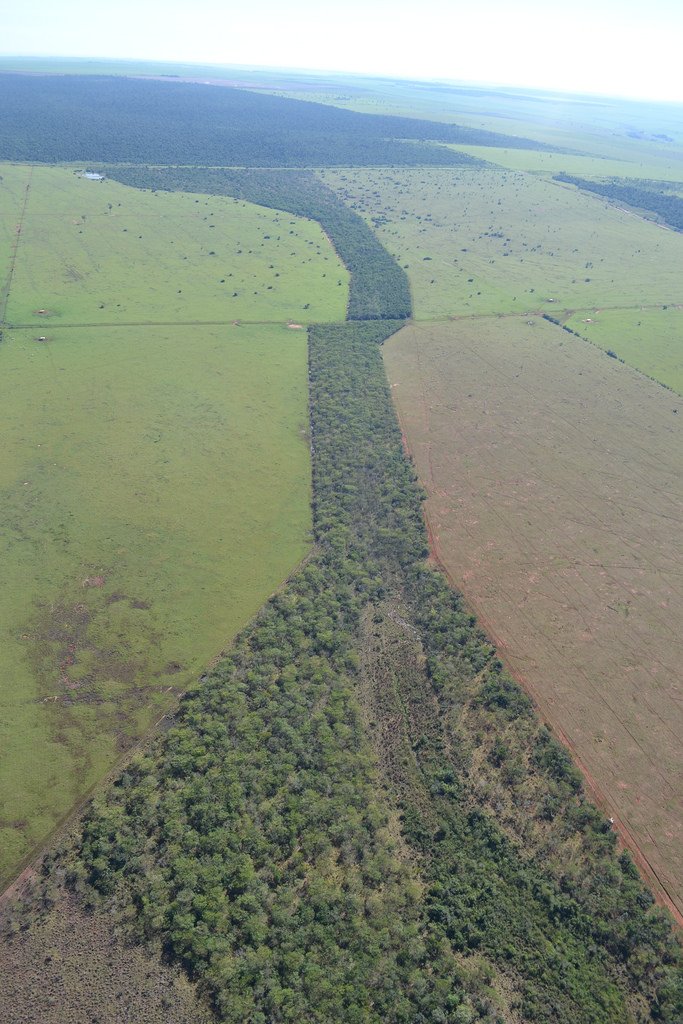
The western ghats’ forest belt in Maharashtra extends across six districts, including Kolhapur, Sangli, Satara, Pune, Raigad, and Thane. The region is home to 15 important ghat roads, with extensive forest areas around their foothills. However, the widening of ghat roads, construction of cement roads, and expansion of plotting and farming along forest boundaries have put immense pressure on wildlife corridors. The forest department has imposed conditions to ensure that development works do not obstruct wildlife movement, but these conditions need to be strictly implemented, particularly in areas identified as wildlife corridors.
Farmer Concerns and the Need for Safe Fencing
Farmers in the region, such as Jagannath Bhosale from Satara district, are worried about crop damage caused by wild animals that frequently enter farms located close to the forest. However, the use of electric fencing can put both wildlife and people at risk. There is a need for practical measures that protect both crops and animals, along with greater guidance from the forest department on safe fencing methods.
Conservation Efforts and Wildlife-Sensitive Routes
Conservationists and forest officials have called for wildlife movement to be considered while planning road widening and other infrastructure projects along wildlife-sensitive routes in the region. These routes include the Amba, Anuskura, Karul, Fonda, Amboli, Tilari, Chorla, Varandha, Kashedi, Raghuveer, Ambenali, Pasarni, Bamnoli, and Kumbharli ghats. The identification and protection of these movement corridors are crucial to preventing wildlife casualties and ensuring the long-term conservation of the western ghats.
Government Response and Priorities
State forest minister Ganesh Naik has stated that protecting wildlife and conserving the western ghats remain priorities for the government. However, the rising number of wild animals injured or killed in road accidents and incidents of electrocution is a matter of serious concern. The government needs to take concrete steps to address these issues and ensure the sustainable development of the region.
Conclusion
The western ghats of Maharashtra face growing threats from infrastructure expansion, rising traffic, and unsafe fencing near forest areas. The recent incidents of road accidents and electrocution have highlighted the need to protect and conserve the fragile ecosystem of the region. The government, conservationists, and local communities must work together to address these issues and ensure the long-term conservation of the western ghats and its wildlife corridors.
reports have highlighted the alarming rate of wildlife casualties in the western ghats of Maharashtra.