
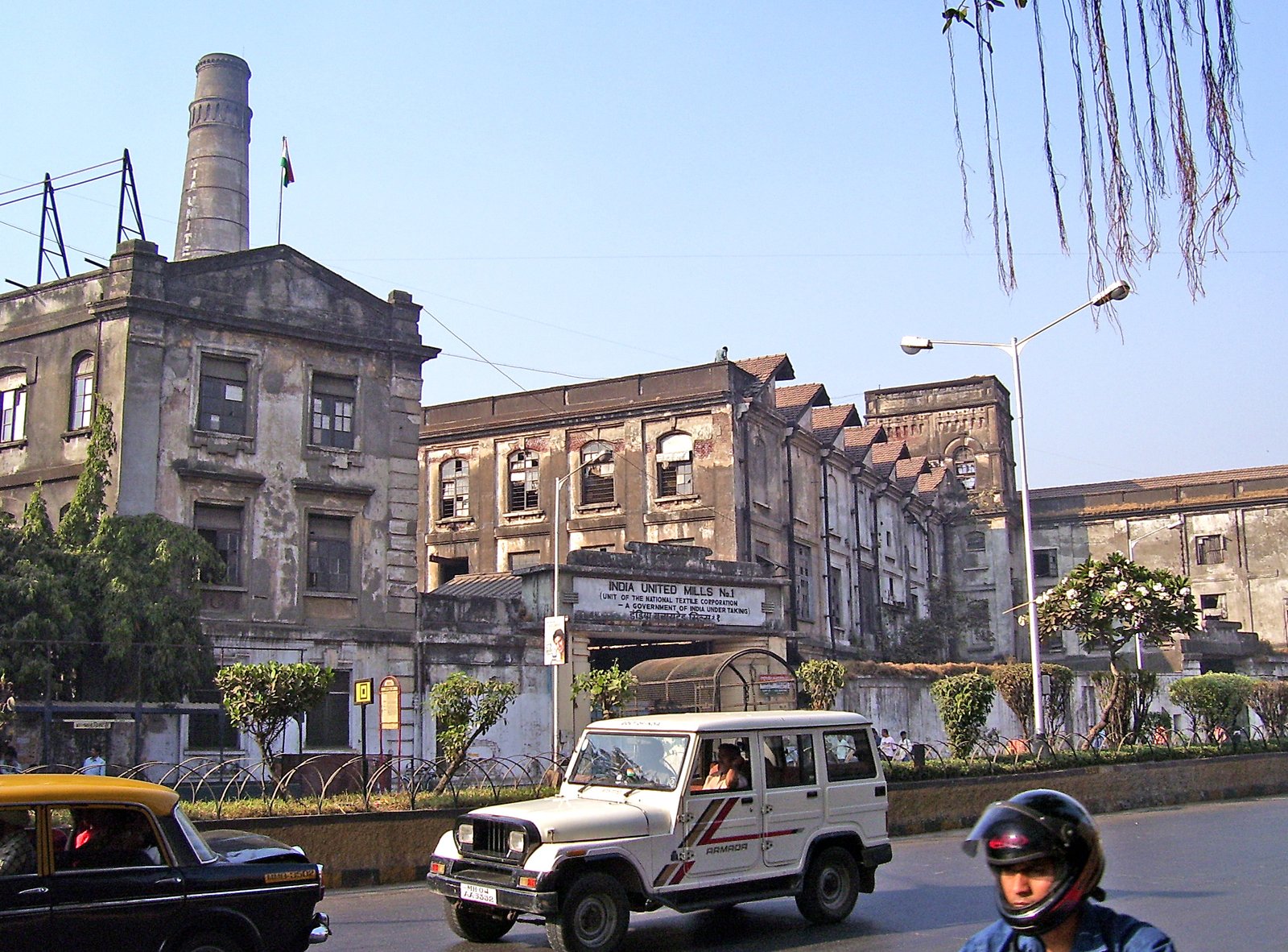
Introduction to Mumbai’s Redevelopment
Mumbai, the financial capital of India, has been undergoing rapid redevelopment efforts in recent years, driven by the government’s ambitious vision to transform the city into a world-class metropolis. However, this drive for modernization and growth has put an enormous strain on the city’s infrastructure, which is struggling to keep pace with the increasing demands of its burgeoning population. According to reports, the city’s infrastructure has been woefully inadequate, leading to severe congestion, pollution, and other related issues.
Historical Context of Mumbai’s Redevelopment
Mumbai’s redevelopment efforts have their roots in the colonial era, when the British East India Company established the city as a major commercial hub. Over the years, the city has undergone numerous transformations, driven by the needs of its growing population and the demands of its economy. However, these transformations have often been haphazard and unplanned, resulting in a city with a patchwork of different neighborhoods, each with its own unique character and challenges. The current redevelopment efforts aim to address these issues and create a more cohesive, modern city that is better equipped to handle the demands of its growing population.
Infrastructure Challenges Facing Mumbai
Despite the city’s best efforts, its infrastructure continues to struggle under the strain of rapid growth. The city’s roads are congested, its public transportation system is inadequate, and its waste management system is on the brink of collapse. The city’s water supply is also under threat, with many areas facing severe water scarcity. According to reports, the city’s infrastructure deficits are estimated to be in the region of Rs. 10,000 crore, a staggering sum that highlights the scale of the problem.
Political Implications of Mumbai’s Redevelopment
The redevelopment of Mumbai is not just an economic or infrastructural issue, but also a deeply political one. The city’s redevelopment efforts have been driven by the government’s desire to create a world-class metropolis, but this vision has been met with resistance from various quarters. Many residents and activists have expressed concerns about the impact of redevelopment on the city’s cultural heritage and the displacement of its poor and marginalized communities. The government has promised to address these concerns, but the lack of transparency and accountability in the redevelopment process has only fueled further controversy.
Future Outlook for Mumbai’s Redevelopment
Despite the challenges facing Mumbai’s redevelopment, there are also many opportunities for growth and transformation. The city’s government has announced plans to invest heavily in its infrastructure, including the development of a new metro system and the upgrading of its road network. However, these plans will require careful planning and execution to ensure that they are delivered on time and within budget. The city’s residents and stakeholders will need to work together to ensure that the redevelopment process is transparent, accountable, and responsive to their needs.
Conclusion
In conclusion, Mumbai’s redevelopment is a complex and multifaceted issue that requires a nuanced understanding of the city’s history, politics, and economy. While the city’s growth and transformation offer many opportunities for development and progress, they also pose significant challenges to its infrastructure and its residents. By understanding these challenges and opportunities, we can work towards creating a more sustainable, equitable, and livable city that meets the needs of all its residents.