
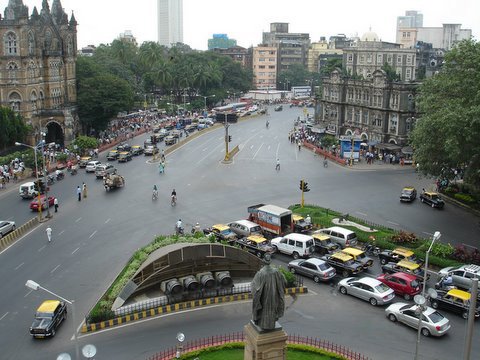
Introduction to the Mumbai Auto Conundrum
The city of Mumbai, with its notorious traffic congestion and overcrowding, is a challenging environment for commuters. Among the various modes of public transportation, the auto-rickshaw stands out as a symbol of the city’s resilience and adaptability. However, the relationship between Mumbaikars and auto-rickshaw drivers is often fraught with frustration, anger, and disappointment. This article delves into the psychology behind this complex phenomenon, exploring the cultural, economic, and historical factors that contribute to the Mumbai auto conundrum.
The Five Stages of Grief in the Mumbai Auto Experience
The Reddit post, reports, presents a humorous take on the five stages of grief that Mumbaikars experience when interacting with auto-rickshaw drivers. Stage 1: Denial, where the driver claims the meter is broken, is a classic example of the psychological manipulation that occurs in these interactions. Stage 2: Anger, where the driver drives away without accepting the fare, is a manifestation of the power dynamics at play. Stage 3: Bargaining, where the driver demands a flat rate, is a testament to the economic realities of the industry. Stage 4: Depression, where the driver engages in distracting behavior, is a reflection of the driver’s own stress and frustration. Stage 5: Acceptance, where the passenger finally reaches their destination, is a moment of relief and a recognition of the futility of resistance.
Historical Background: The Rise of Auto-Rickshaws in Mumbai
The auto-rickshaw has a long history in Mumbai, dating back to the 1950s. Initially, they were used as a mode of transportation for the working class, providing a cheap and efficient way to navigate the city’s congested streets. However, over the years, the industry has faced numerous challenges, including regulatory issues, competition from other modes of transportation, and the rise of ride-hailing apps. Despite these challenges, the auto-rickshaw remains a vital part of Mumbai’s transportation infrastructure, employing thousands of drivers and providing a livelihood for many families.
Cultural Dynamics: The Role of Social Norms in Shaping the Mumbai Auto Experience
The relationship between Mumbaikars and auto-rickshaw drivers is deeply influenced by social norms and cultural expectations. In a city where hierarchy and social status are deeply ingrained, the power dynamics between passengers and drivers are shaped by these norms. For example, the use of honorifics, such as ‘bhaiya’ and ‘sahib,’ reflects the hierarchical nature of the relationship. Additionally, the expectation of tipping and the use of certain phrases, such as ‘dude’ and ‘chalo,’ reveal the complex web of social norms that govern this interaction.
Economic Factors: The Impact of Ride-Hailing Apps on the Auto-Rickshaw Industry
The rise of ride-hailing apps, such as Uber and Ola, has had a significant impact on the auto-rickshaw industry in Mumbai. These apps have disrupted the traditional business model of auto-rickshaw drivers, who are now facing increased competition and decreased earnings. According to a report, the ride-hailing market in India is expected to grow exponentially, with the number of users projected to reach 50 million by 2025. This trend has significant implications for the auto-rickshaw industry, which must adapt to the changing landscape of transportation in Mumbai.
Conclusion: The Future of the Mumbai Auto Conundrum
The Mumbai auto conundrum is a complex phenomenon that requires a nuanced understanding of human psychology, cultural dynamics, and economic factors. As the city continues to grow and evolve, it is essential to address the challenges facing the auto-rickshaw industry, including regulatory issues, competition from ride-hailing apps, and the need for more efficient and sustainable transportation solutions. By exploring the intricacies of this relationship, we can develop a deeper understanding of the social, cultural, and economic dynamics that shape the Mumbai auto experience.