
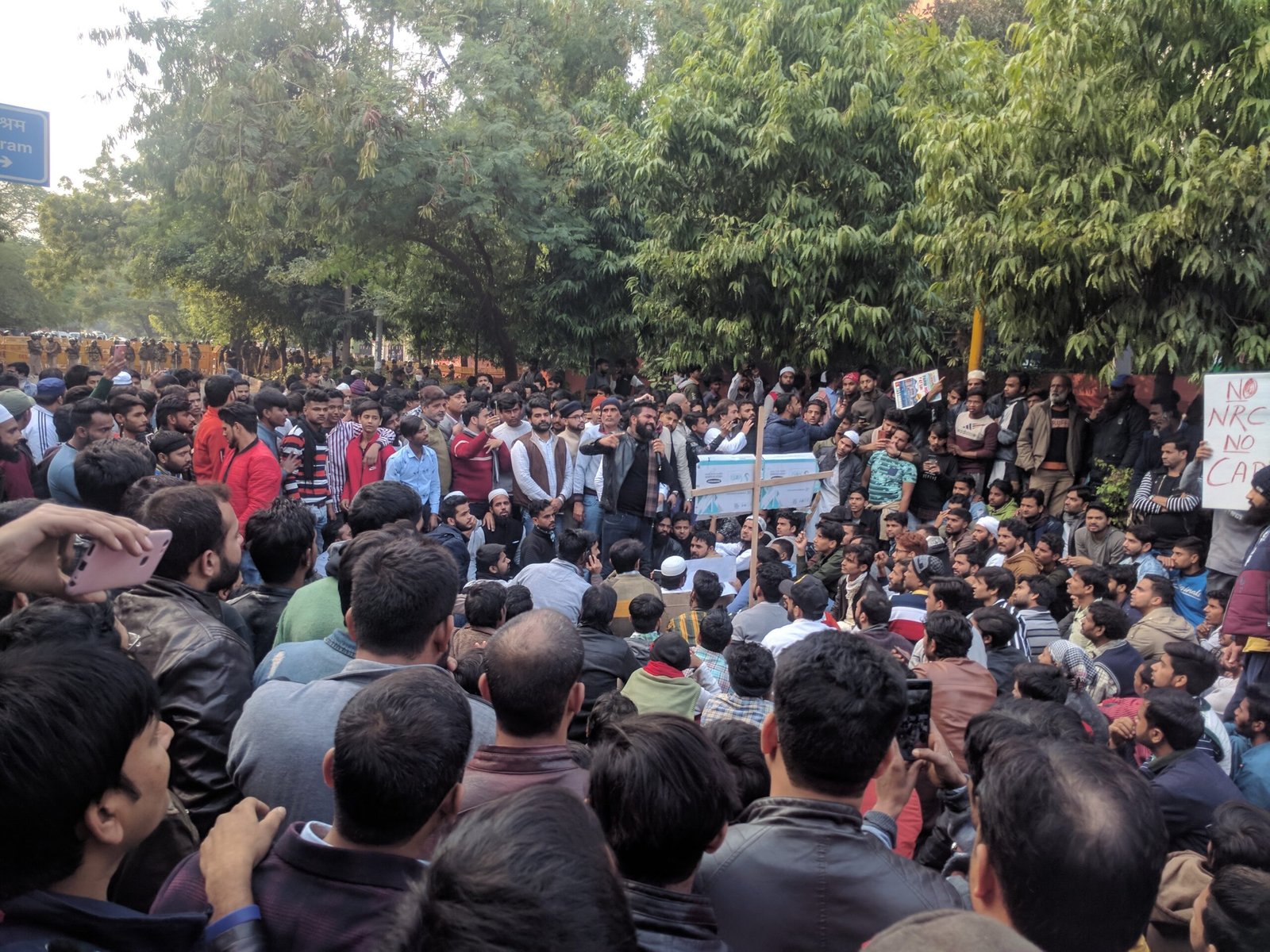
Background of the Jamia Protest
The recent Jamia protest and subsequent detention of Congress MP Imran Masood and SP MP allegations of manhandling by police have brought to the fore the deepening rift between Maharashtra political parties and law enforcement. The protest, which began as a peaceful gathering of students, quickly escalated into a heated confrontation between the protesters and the police. The incident has sparked widespread outrage, with many questioning the heavy-handed tactics employed by the police and the lack of understanding displayed by the authorities towards the concerns of the protesters.reports suggest that the protest was sparked by a recent decision by the state government to increase the fees of students in the university, which has been met with fierce resistance from the students and their families.
Historical Context of Police-Protester Confrontations in Maharashtra
The Jamia protest is not an isolated incident, but rather the latest in a long line of confrontations between the police and protesters in Maharashtra. In recent years, the state has witnessed a number of high-profile incidents of police brutality, including the 2014 encounter killing of Thane youth, Ajay Mishra, and the 2016 Batla House encounter. These incidents have sparked widespread outrage and have led to calls for greater accountability and transparency in the police force. However, despite these calls, the police continue to employ heavy-handed tactics, which have been criticized by human rights groups and opposition parties.
Political Implications of the Jamia Protest
The Jamia protest has significant political implications for the state of Maharashtra and its ruling party. The protest has exposed the deepening rift between the ruling party and the opposition, with the Congress and SP accusing the government of using heavy-handed tactics to suppress dissent. The incident has also highlighted the lack of understanding displayed by the authorities towards the concerns of the protesters, which has sparked widespread outrage and criticism. The ruling party, on the other hand, has defended its actions, arguing that the police were simply doing their job to maintain law and order.
Future Outlook for Police-Protester Confrontations in Maharashtra
The future outlook for police-protester confrontations in Maharashtra is uncertain, but it is clear that the state is facing a crisis of confidence in its police force. The Jamia protest has exposed the deepening rift between the police and the protesters, and has highlighted the need for greater accountability and transparency in the police force. The state government must take immediate action to address these concerns and to rebuild trust between the police and the public. This can be achieved through a number of measures, including the establishment of an independent police complaints authority, the implementation of community policing, and the provision of regular training for police officers on human rights and conflict resolution.
Conclusion
In conclusion, the Jamia protest and subsequent detention of Congress MP Imran Masood and SP MP allegations of manhandling by police expose the deepening rift between Maharashtra political parties and law enforcement. The incident has sparked widespread outrage and criticism, and has highlighted the need for greater accountability and transparency in the police force. The state government must take immediate action to address these concerns and to rebuild trust between the police and the public. The future outlook for police-protester confrontations in Maharashtra is uncertain, but it is clear that the state is facing a crisis of confidence in its police force, which can only be addressed through a concerted effort to rebuild trust and to establish a more accountable and transparent police force.