
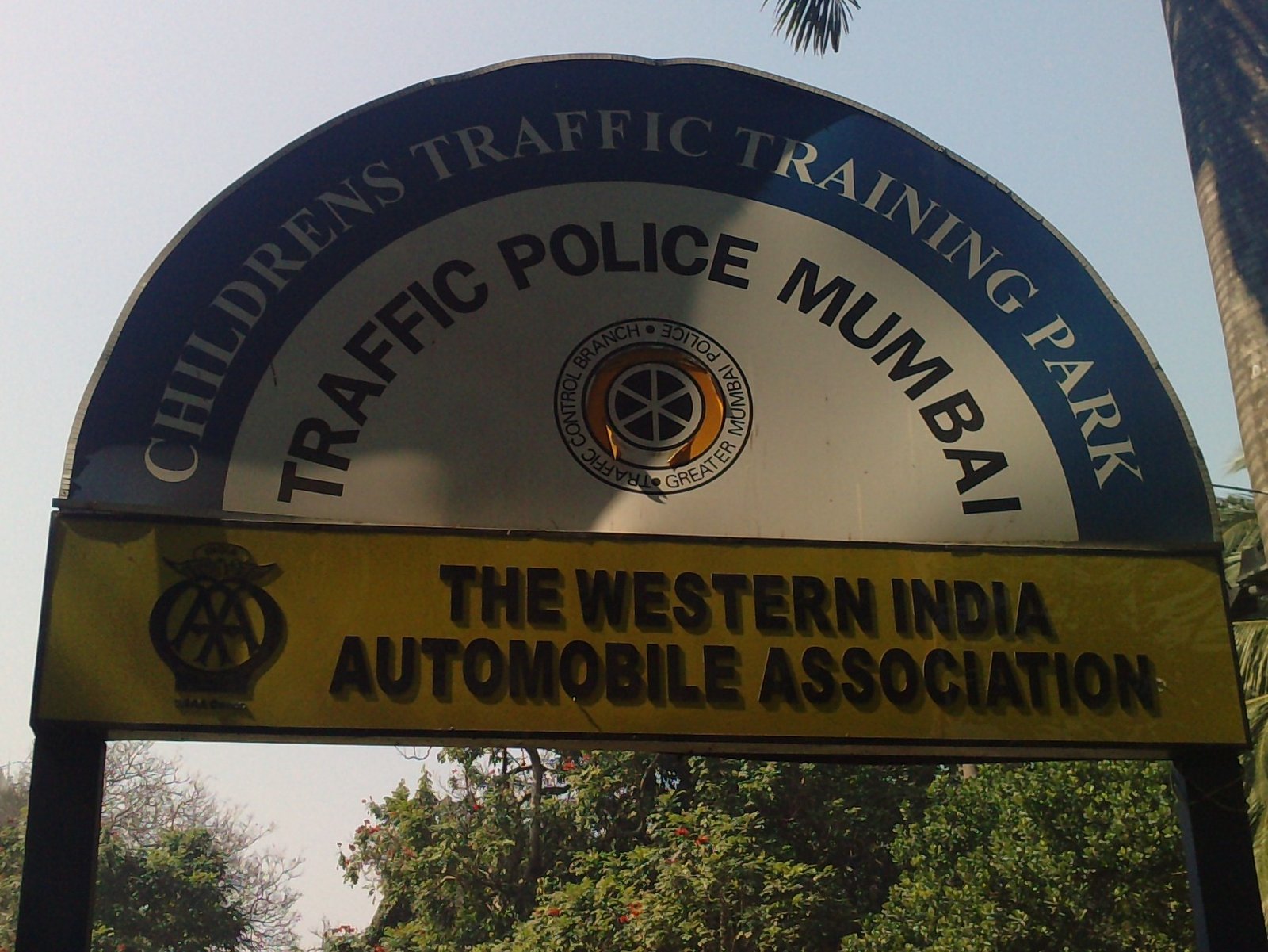
A Novel Approach to Traffic Management
Maharashtra Minister’s decision to hold a bhoomipujan ceremony for a traffic signal has left many wondering about the implications of this move. Traditionally, a bhoomipujan ceremony is associated with the foundation-laying of large infrastructure projects, such as roads, bridges, or buildings. However, in this instance, the Minister has chosen to apply this ceremonial significance to a relatively mundane aspect of urban infrastructure – a traffic signal.
This unconventional approach to traffic management may be a reflection of the Minister’s desire to reinvigorate public interest in the state’s infrastructure development. By drawing attention to a seemingly ordinary traffic signal, the Minister may be attempting to emphasize the importance of even the smallest infrastructure components in shaping the overall urban experience.
Historical Context: The Evolution of Bhoomipujan Ceremonies
The practice of holding bhoomipujan ceremonies dates back to ancient India, where it was an integral part of Hindu temple construction rituals. Over time, this tradition has been adapted and applied to various contexts, including infrastructure development projects. In modern times, bhoomipujan ceremonies have become a common feature of Indian politics, with politicians often using these events to showcase their commitment to development and progress.
In the context of Maharashtra, the bhoomipujan ceremony for the traffic signal can be seen as a continuation of this tradition. By drawing on the symbolic significance of this ceremony, the Minister may be attempting to convey a sense of urgency and importance around the state’s traffic management policies.
Political Implications: The Minister’s Strategy
The Minister’s decision to hold a bhoomipujan ceremony for the traffic signal can be seen as a strategic move to rebrand the state’s traffic management policies. By associating the traffic signal with the ceremonial significance of a bhoomipujan ceremony, the Minister may be attempting to create a sense of drama and spectacle around this issue.
This approach may be particularly effective in a state like Maharashtra, where politics is often characterized by its high-stakes and emotive nature. By tapping into the symbolic significance of the bhoomipujan ceremony, the Minister may be attempting to create a narrative around the state’s traffic management policies that is both compelling and memorable.
Future Outlook: What Does This Move Mean for Mumbai’s Traffic Management?
While the Minister’s decision to hold a bhoomipujan ceremony for the traffic signal may be seen as a novel approach to traffic management, its long-term implications are far from clear. On one hand, this move may be seen as a welcome attempt to draw attention to the state’s traffic management policies. On the other hand, it may be viewed as a publicity stunt, designed to distract from the more pressing issues facing the state’s infrastructure development.
As the state continues to grapple with the challenges of traffic management, it remains to be seen whether the Minister’s unconventional approach will yield tangible results. One thing is certain, however – the Minister’s decision to hold a bhoomipujan ceremony for the traffic signal has set the stage for a more nuanced and complex discussion around the state’s traffic management policies.
Conclusion
In conclusion, the Maharashtra Minister’s decision to hold a bhoomipujan ceremony for a traffic signal has sparked both curiosity and debate. While this move may be seen as a novel approach to traffic management, its long-term implications are far from clear. As the state continues to grapple with the challenges of traffic management, it remains to be seen whether the Minister’s unconventional approach will yield tangible results. For now, one thing is certain – the Minister’s decision has set the stage for a more nuanced and complex discussion around the state’s traffic management policies.