
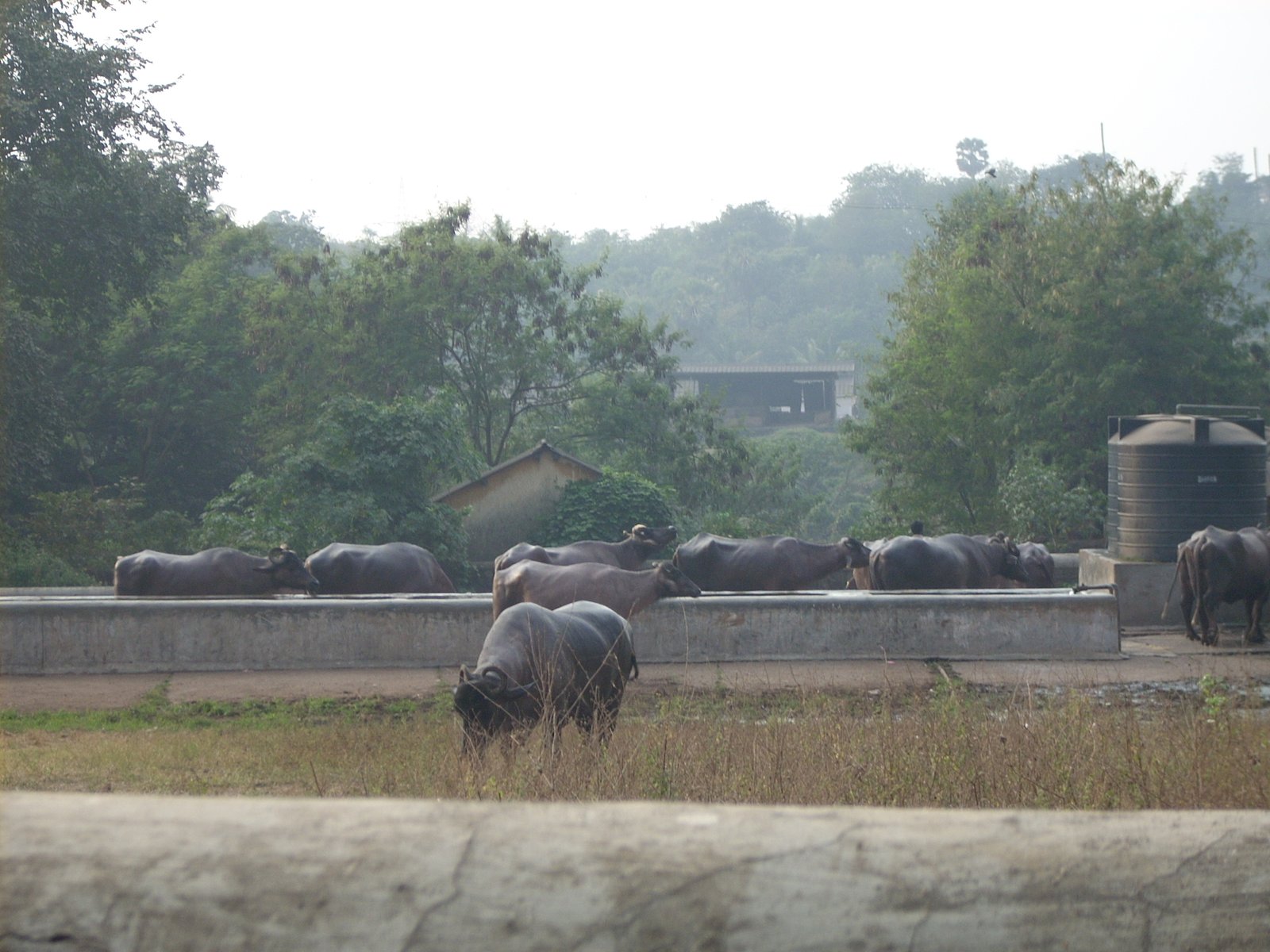
A Historical Context to Aarey Colony
Mumbai’s Aarey Colony has been a subject of discussion since the 19th century, when the British colonial government first acquired the land for military purposes. The colony was initially used as a military base and later converted into a forest reserve in 1974. The area was designated as a ‘no-development zone’ to protect its unique biodiversity and serve as a green lung for the rapidly growing city of Mumbai. However, the recent proposals to develop the area into a film city and a sports complex have reignited the debate on the future of Aarey Colony.
Urbanization and Environmental Concerns
Aarey Colony’s unique ecosystem supports over 600 species of plants and animals, including the endangered Indian leopard and the red-faced macaque. The area’s lush green cover helps to mitigate the effects of air pollution, heat islands, and climate change in the city. However, the growing demand for housing, infrastructure, and commercial spaces in Mumbai has put immense pressure on the city’s natural resources. The proposed development of Aarey Colony would lead to the destruction of its forest cover, displacement of local communities, and increased greenhouse gas emissions. This would not only harm the environment but also exacerbate the existing social and economic inequalities in the city.
Political Implications and Future Outlook
The Aarey Colony debate has become a contentious issue in the state of Maharashtra, with various stakeholders, including local residents, environmental activists, and government officials, taking strong positions on the matter. The state government’s decision to allow the development of Aarey Colony has been met with widespread criticism from environmental groups and opposition parties. The Bombay High Court has also stayed the government’s decision, pending a review of the environmental impact assessment. The future of Aarey Colony remains uncertain, with the state government facing pressure to balance the needs of urbanization with the imperative of environmental conservation.
Reports and Activism
Reports from local residents and environmental activists have highlighted the importance of Aarey Colony as a natural habitat and a symbol of Mumbai’s unique identity. The Aarey Colony Bachao Andolan (Save Aarey Colony Movement) has been actively campaigning against the proposed development, organizing protests, and engaging with local communities to raise awareness about the issue. The movement has also received support from prominent environmentalists and celebrities, who have joined the cause to protect the colony’s natural heritage.
Conclusion and Way Forward
The Aarey Colony debate serves as a microcosm for the larger issues of urbanization, environmental conservation, and governance in Mumbai. As the city continues to grow and develop, it is essential to strike a balance between the needs of its inhabitants and the imperative of protecting its natural resources. The fate of Aarey Colony remains uncertain, but one thing is clear: the city’s future will be shaped by the decisions made about its natural heritage. It is imperative for the state government, local residents, and environmental activists to work together to find a sustainable solution that preserves the unique character of Aarey Colony and ensures a livable future for the city’s inhabitants.