
Introduction to the Pune Areas Tier List
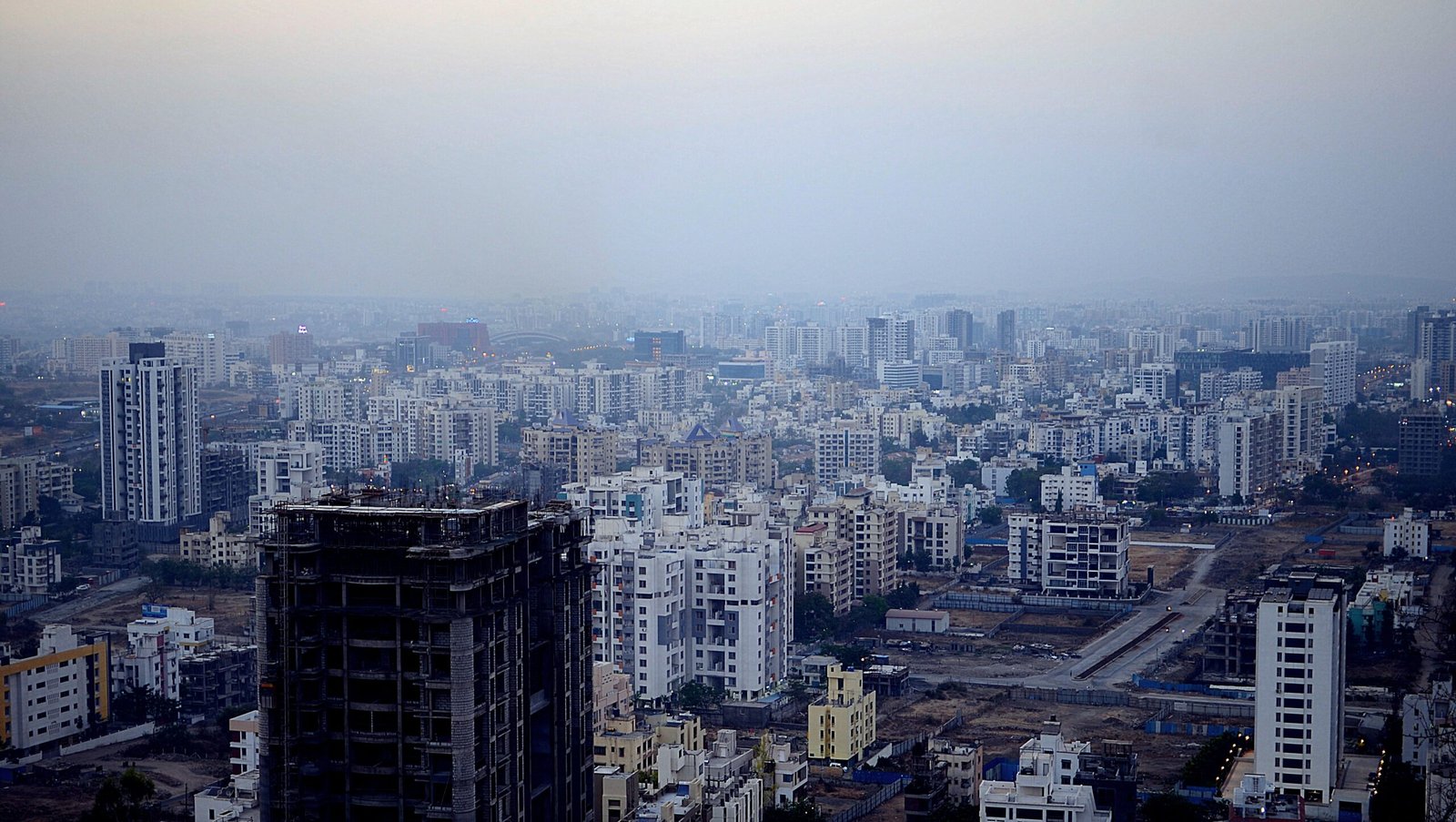
Pune, the cultural hub of Maharashtra, has been witnessing rapid urbanization over the past few decades. As a result, the city’s infrastructure and zoning have become increasingly complex, leading to inconsistencies in the tier list rankings. The tier list, a popular topic of discussion among Pune residents, has sparked intense debate about the city’s urban planning and development. In this article, we will delve into the history of the tier list, its significance, and the implications of inconsistent zoning.
History of the Pune Areas Tier List
The Pune Areas Tier List originated from a Reddit post by a user, Tight_Plan_5814, who attempted to categorize different areas of Pune based on their desirability, infrastructure, and overall quality of life. The list was meant to serve as a guide for residents and newcomers to the city, helping them make informed decisions about where to live and work. However, the list has undergone several revisions, and the current ranking has been met with criticism and controversy. The inconsistencies in the list have sparked heated discussions on social media platforms, with many residents calling for a more comprehensive and data-driven approach to urban planning.
Significance of the Pune Areas Tier List
The tier list holds significant importance for Pune’s urban development and infrastructure. It reflects the city’s growth patterns, zoning regulations, and the priorities of its residents. The list also serves as a benchmark for evaluating the effectiveness of the city’s urban planning and development initiatives. However, the inconsistencies in the list have raised concerns about the city’s ability to provide equitable and sustainable development opportunities for all residents. As Pune continues to grow and evolve, it is essential to address these concerns and develop a more comprehensive and inclusive approach to urban planning.
Implications of Inconsistent Zoning
Inconsistent zoning and tier assignments have severe implications for Pune’s infrastructure and residents. It leads to unequal distribution of resources, uneven development, and a lack of transparency in decision-making processes. The inconsistencies in the tier list have also created confusion among residents, who are left wondering about the criteria used to determine the rankings. Furthermore, the lack of data-driven approach to urban planning has resulted in a shortage of affordable housing options, inadequate public transportation, and poor waste management systems. These issues not only affect the quality of life for residents but also impact the city’s economic growth and competitiveness.
Future Outlook and Recommendations
To address the inconsistencies in the tier list and promote equitable and sustainable development in Pune, the city authorities must adopt a more data-driven approach to urban planning. This can be achieved by implementing a comprehensive zoning regulation system, conducting regular surveys and assessments, and engaging with residents and stakeholders in the decision-making process. Additionally, the city authorities should focus on developing affordable housing options, improving public transportation systems, and enhancing waste management infrastructure. By taking these steps, Pune can move towards a more inclusive, sustainable, and equitable urban development model that benefits all residents.
Conclusion
The Pune Areas Tier List is a critical reflection of the city’s urban development and infrastructure. While it has sparked important discussions about the city’s growth patterns and zoning regulations, the inconsistencies in the list have raised concerns about the city’s ability to provide equitable and sustainable development opportunities for all residents. By adopting a more data-driven approach to urban planning and addressing the implications of inconsistent zoning, Pune can move towards a more inclusive, sustainable, and equitable urban development model that benefits all residents.