
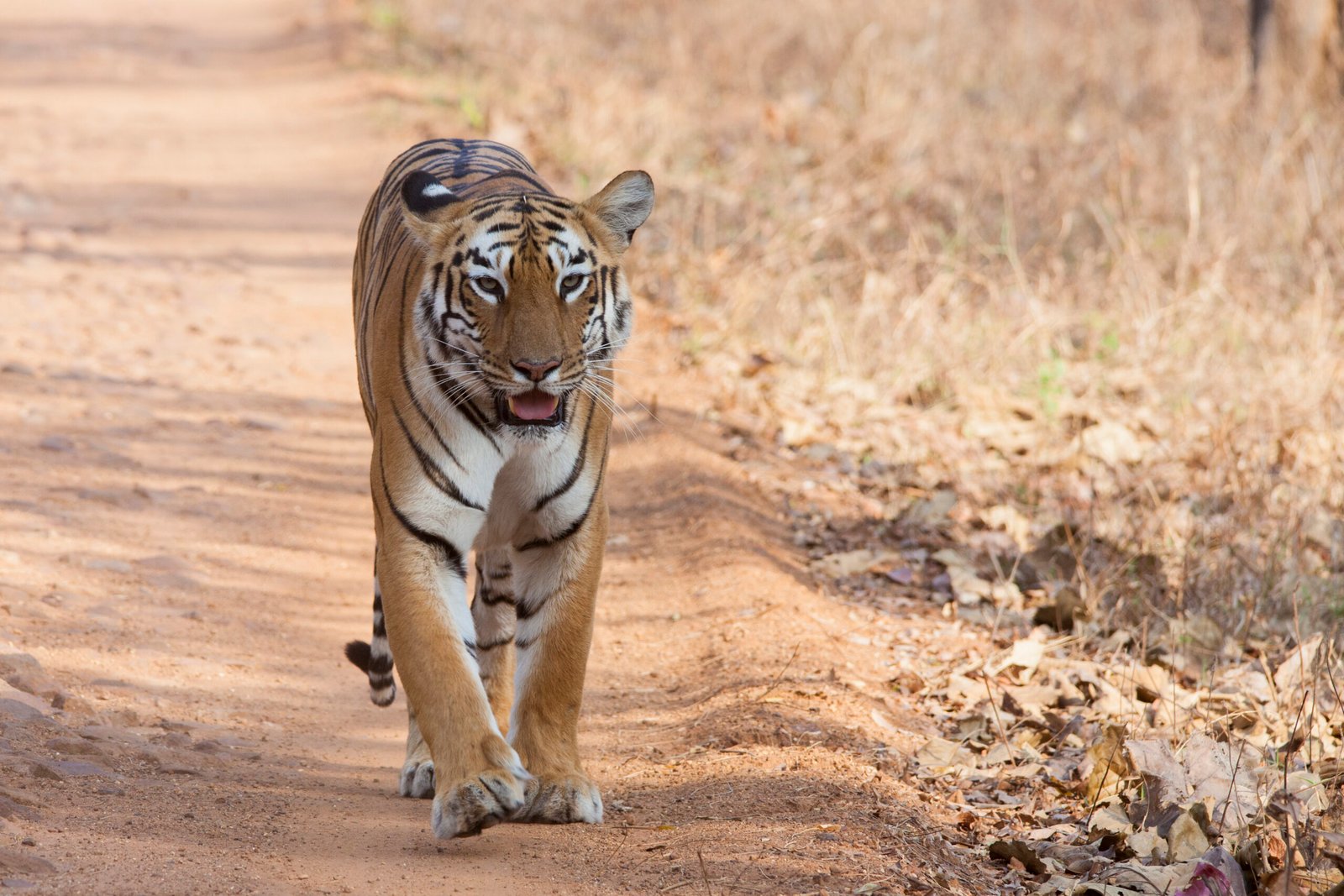
Addressing the Water Crisis in Tadoba Tiger Reserve
Located in the heart of Maharashtra, the Tadoba Tiger Reserve is one of the most renowned wildlife sanctuaries in India. Home to a diverse array of flora and fauna, the reserve has been facing a severe water crisis in recent years. In an effort to mitigate this issue, the reserve authorities have launched a pilot project that deploys sensors to automate solar pumps, thereby preventing waterhole overflow and curbing unnecessary groundwater extraction.
Background and Context
The Tadoba Tiger Reserve spans over 1,167 square kilometers, making it one of the largest national parks in India. The reserve is a critical habitat for the Bengal tiger, as well as other endangered species such as the leopard, sloth bear, and gaur. However, the region has been experiencing a severe water shortage due to factors such as climate change, deforestation, and human-wildlife conflict. The situation has become so dire that the reserve authorities have been forced to implement water rationing measures to ensure the survival of the wildlife.
Deployment of Sensors: A Breakthrough in Water Conservation
The innovative pilot project in Tadoba Tiger Reserve involves the deployment of sensors that automate solar pumps. These sensors are designed to monitor the water levels in the waterholes and adjust the pump’s operation accordingly, preventing overflow and ensuring that the water is used efficiently. This cutting-edge technology has the potential to revolutionize the way water is managed in the reserve, reducing the risk of water-borne diseases and promoting a healthier ecosystem.
Political Implications and Future Outlook
The deployment of sensors in Tadoba Tiger Reserve has significant political implications, as it highlights the need for innovative solutions to address the water crisis in the region. The Maharashtra government has been under pressure to take concrete steps to address the water shortage, and this pilot project is seen as a major step in the right direction. The project’s success will not only ensure the survival of the wildlife but also provide a model for other reserves and sanctuaries in the state to follow.
Challenges and Opportunities
While the deployment of sensors is a significant step towards addressing the water crisis in Tadoba Tiger Reserve, there are still several challenges that need to be addressed. For instance, the reserve authorities will need to ensure that the sensors are maintained regularly and that the data collected is used effectively to inform water management decisions. Additionally, the project’s success will depend on the collaboration between various stakeholders, including the government, NGOs, and local communities. If implemented effectively, the project has the potential to create new opportunities for research, education, and community engagement, thereby promoting a culture of sustainability and conservation.
Conclusion
The deployment of sensors in Tadoba Tiger Reserve is a testament to the innovative spirit of the reserve authorities and the state government’s commitment to addressing the water crisis. As the project continues to evolve, it is essential to ensure that the lessons learned are shared with other reserves and sanctuaries, promoting a culture of sustainability and conservation throughout the region. By working together, we can create a future where the wildlife in Tadoba Tiger Reserve thrives, and the ecosystem is protected for generations to come.